Final Analysis and What to look for
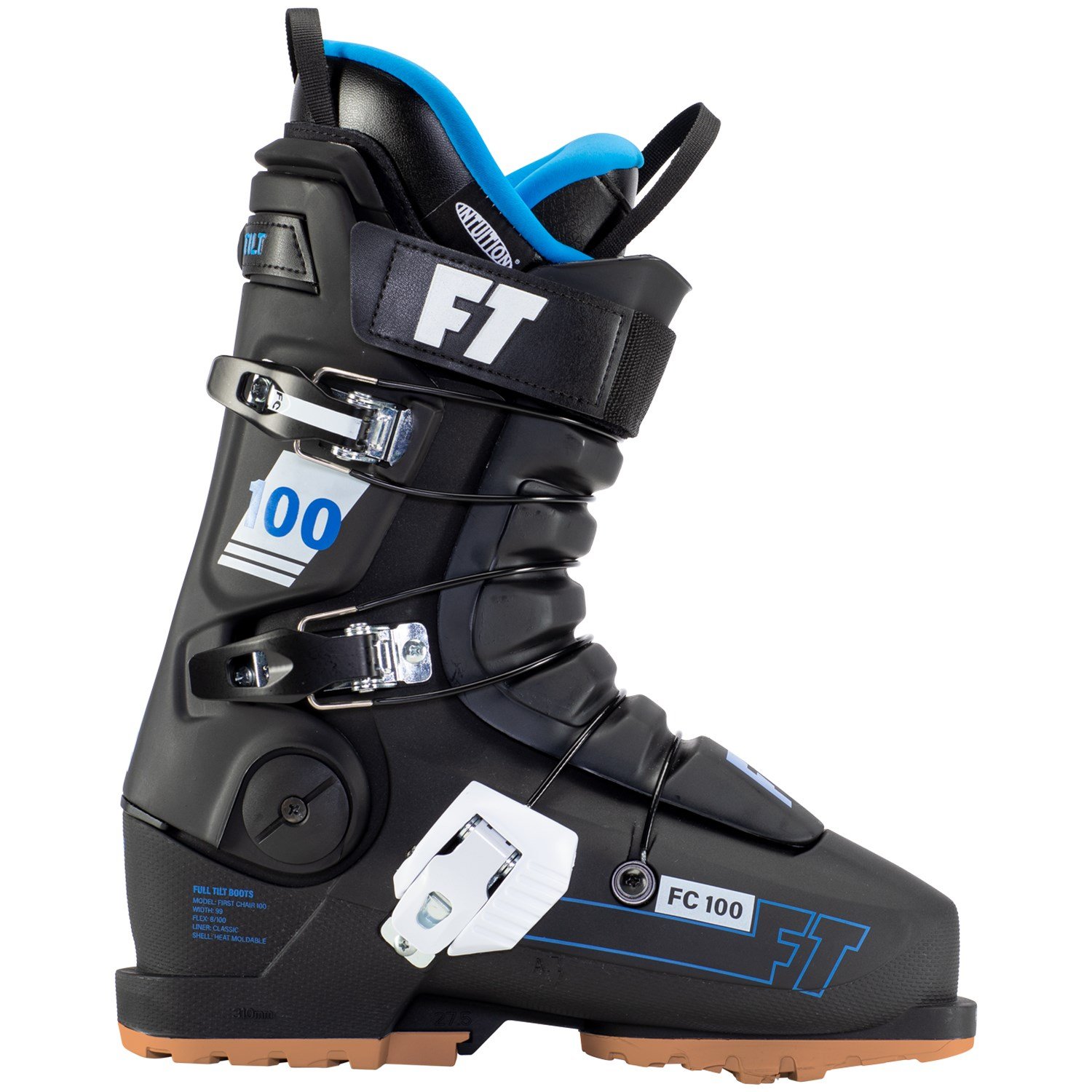
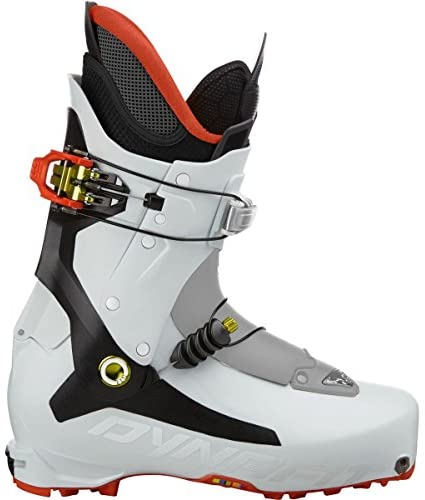
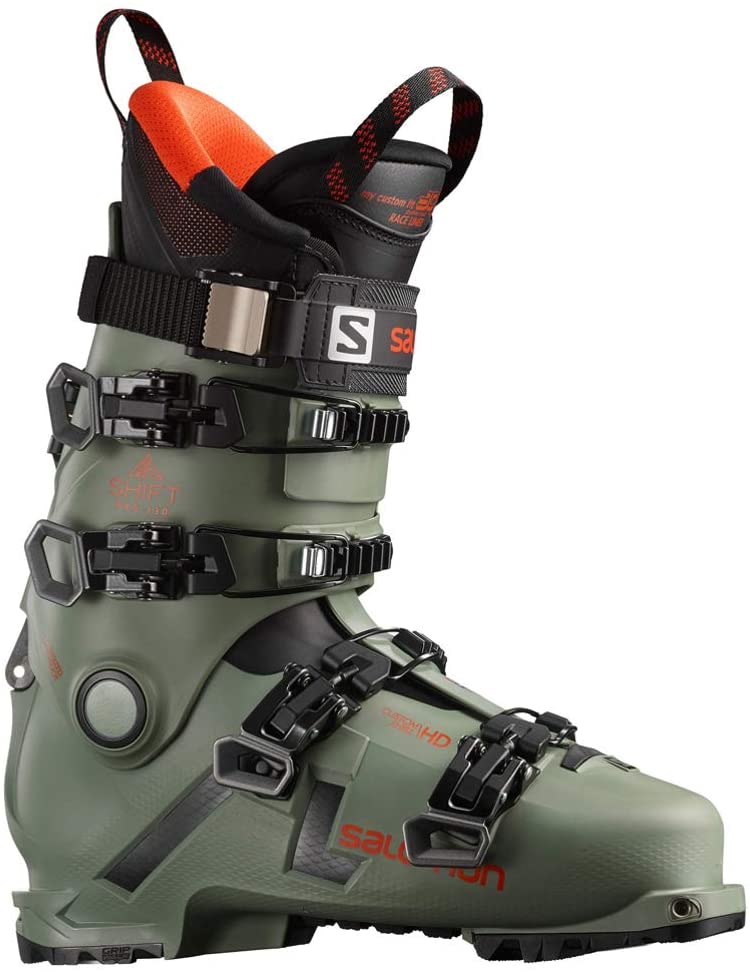
We selected our boot selection from the most well-known ski brands. We purposefully sought those designs with considerable modifications or improvements, then compared them to the prior year. We already know many brands maintain the same or similar look and design in successive years.
We analyzed a comfortable ski boot versus a blister-burning painful boot. Then we assessed the width of the outline of your foot at its broadest point in mm while wearing a sock. These are the parameters to determine whether you require a narrow or a wide boot.
Anything that's less than 100 mm is regarded as narrow, while anything higher than 104 mm is deemed wide. Because ski boot makers tend to favor one over the other, you must choose a boot that comfortably encases your foot.
Our criteria to choose the best ski boots:
- Flex: A ski boot's flex number ranges from 60 to 130, indicating how much flexibility the boot possesses. To simplify that, the lower the flex value, the softer and more supple the boot. Consider this: the more a boot bends forward, the easier it is to manage your skis and keep a consistent speed.
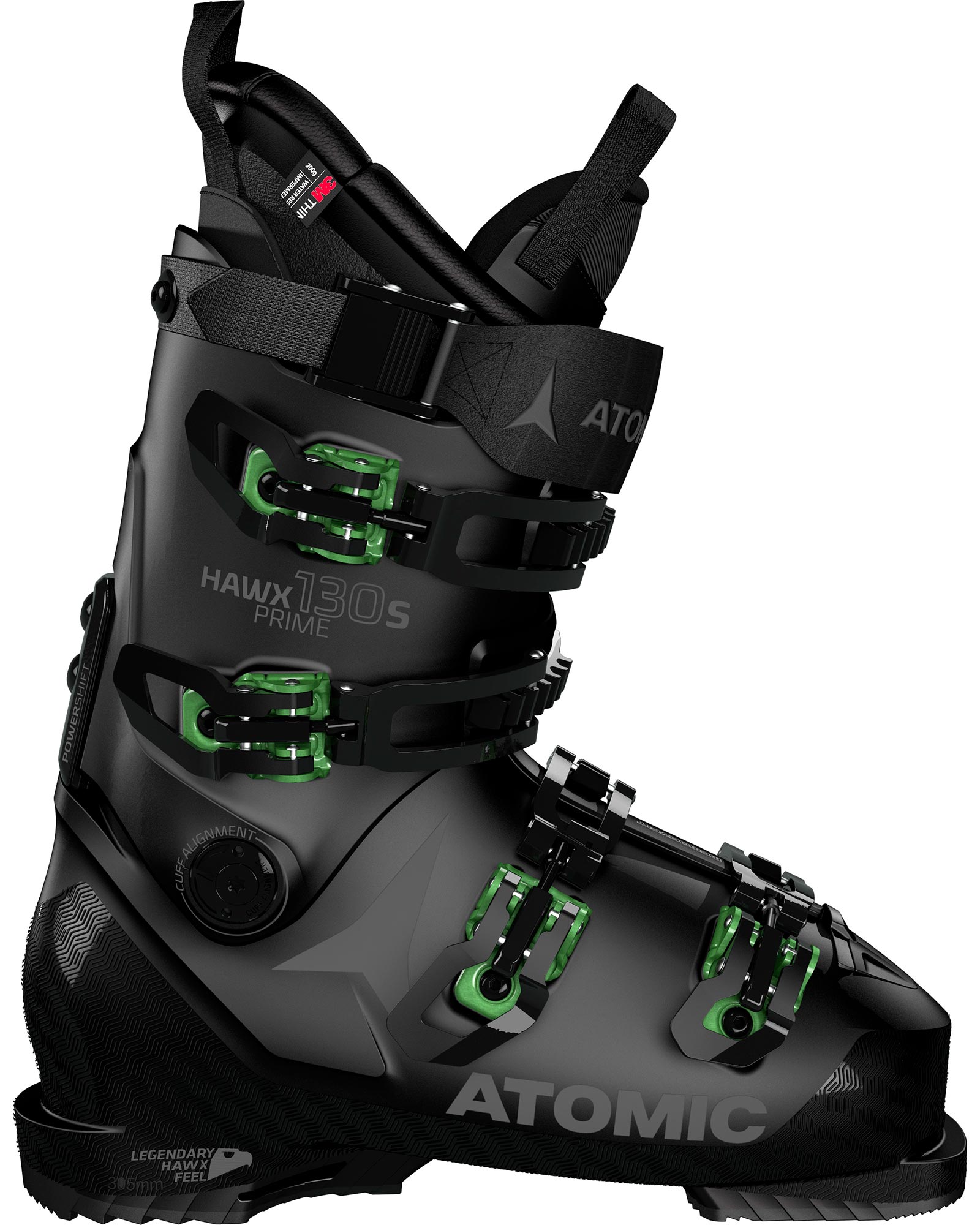
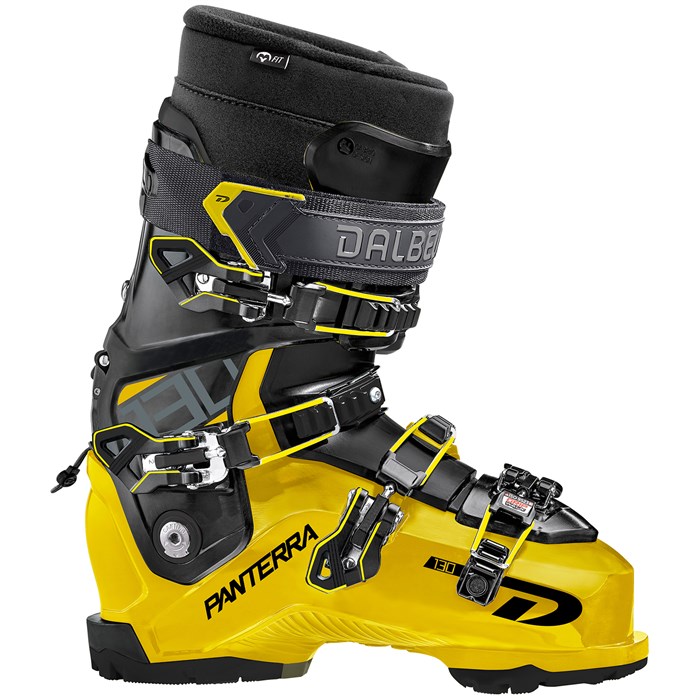
- Better value:The Atomic Hawx Prime and the Dalbello Panterra provide the best value in this selection. While they don't have the same level of precision and power as some of our top-rated boots, they're excellent choices for folks who prefer comfort, balance, and budget.
- Durability and comfort:We tried to make this evaluation as objective as possible, even though comfort is open to interpretation. We thought about the boot's material and how easy it is to shape and work with it. But then, polyurethane (PU) is preferred by boot fitters because it is easy to work with and can tolerate several punches in the same spot. Grilamid, on the other hand, can become brittle after being shaped.
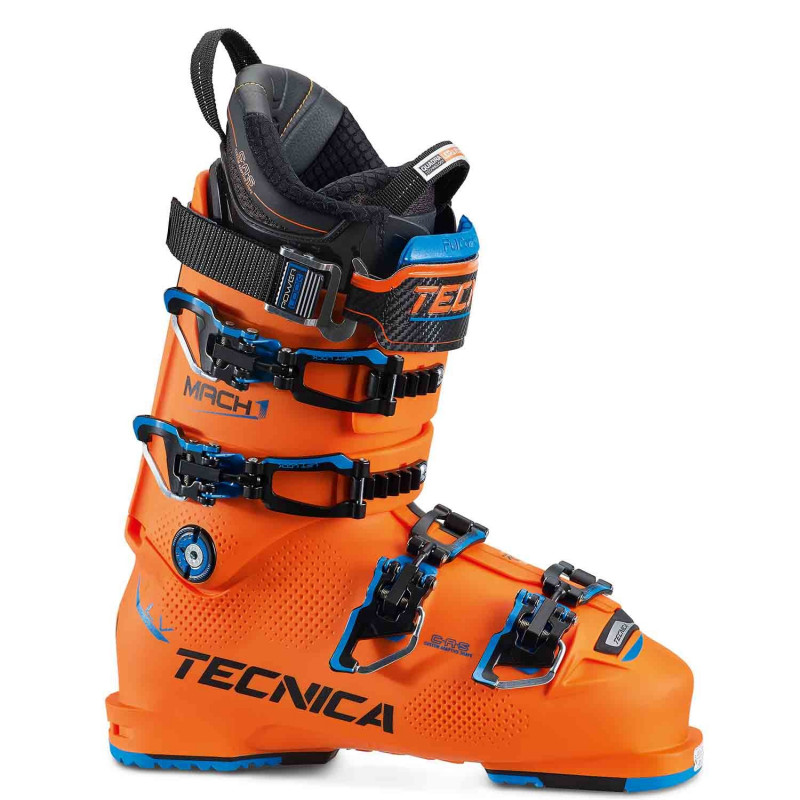
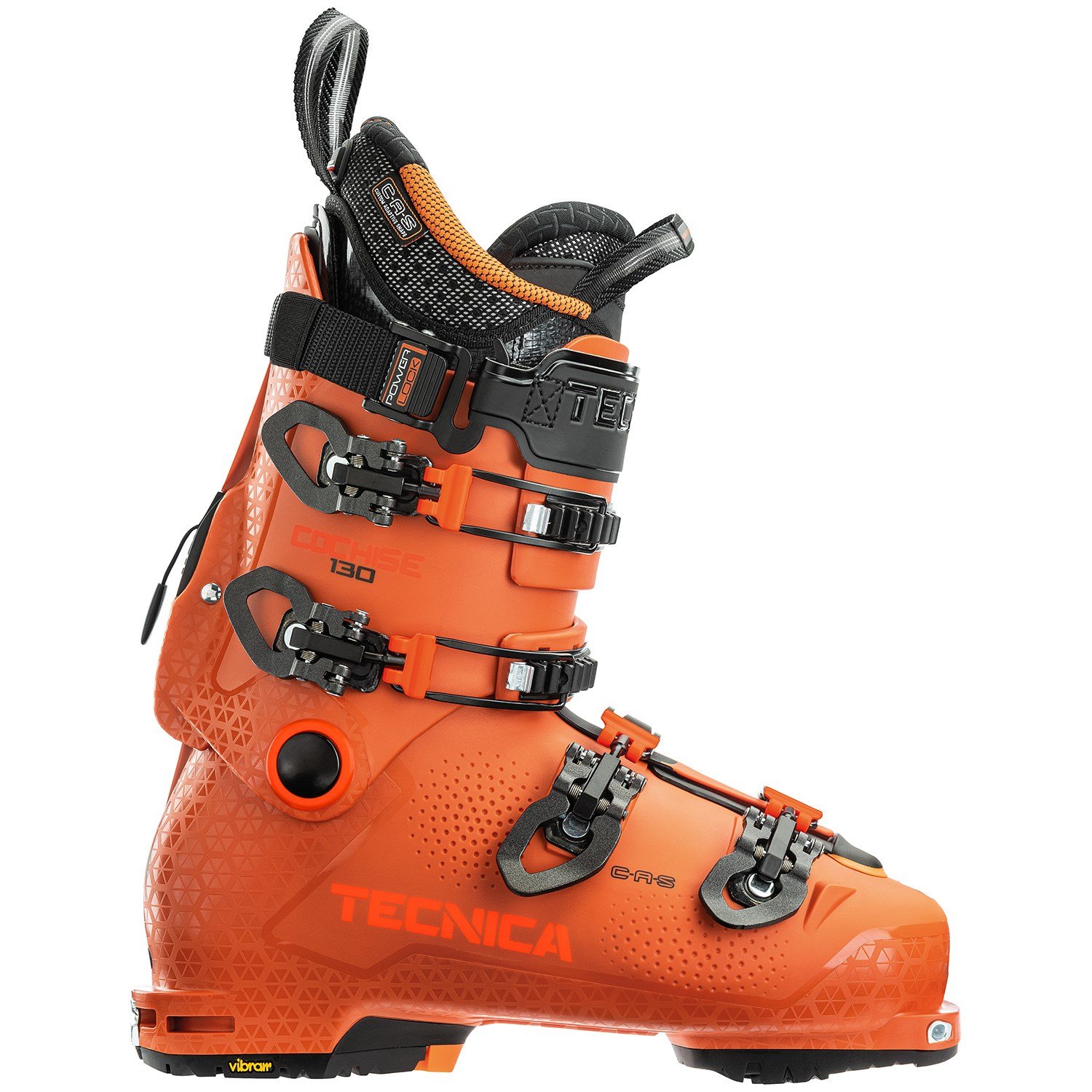
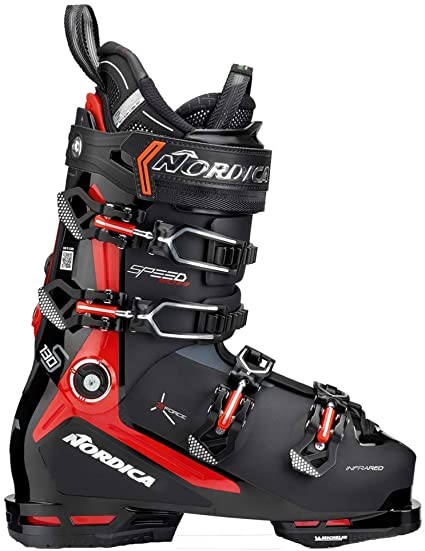
- Core Performance:At the core of a ski boot's performance is what you ask it to do and what it can achieve in response. The Tecnica Cochise 130 has the capability to curve, hop at turns, tour, hike, and ski any type of snow. It performs admirably, earning it first place in this category. Due to constant flex and stiffness, the Mach1, Cochise, and Speedmachine operate best at high speeds and in every turn. We particularly appreciated the Tecnica and Atomic Hawx Prime's quick-release cam straps, which provided more cuff control. The Speedmachine excels in the middle, making it a fantastic choice for skiers who prefer a less aggressive style or who want to progress to a stronger flex but aren't ready for the stiffness of a real race boot.
- Warmth:A boot's warmth may be a blessing or a hardship. The best insulation comes from the air inside the boot. This ski boot needs a little room, particularly in the toe box, to keep the feet feeling warm. When there is no insulation of air, an overly tight boot will cut off circulation and expose the foot to the elements. Taking this into account, on a hot spring day, an extra warm boot might induce sweating and discomfort. In a perfect world, you'd have a boot that could do both.